Physical Address
304 North Cardinal St.
Dorchester Center, MA 02124
Physical Address
304 North Cardinal St.
Dorchester Center, MA 02124

By Dr. Asmat Ullah Khan | DVM | Last Reviewed: December 10, 2025
Medical Disclaimer: This content is for educational purposes only and does not constitute medical advice. Coughing in dogs can indicate serious conditions like heart failure or pneumonia. Always consult your veterinarian before administering any treatments.
The most effective home remedies for dog coughing are actually supportive nursing care strategies rather than cures. Safe options include creating a humidified environment to loosen airway secretions, strictly resting the dog to reduce respiratory effort, and removing environmental irritants like smoke. These measures support the dog’s airway while veterinary diagnostics determine the root cause.
In veterinary medicine, we distinguish between treating a disease and managing symptoms. Most internet advice suggests syrups or herbs that may not address the underlying pathology. According to the Clinical Veterinary Advisor, a cough is a clinical sign of many potential diseases, ranging from simple infectious tracheobronchitis (kennel cough) to life-threatening heart disease or pneumonia. Therefore, home remedies for dog coughing are best utilized as “adjunctive care”—steps you take to make your dog comfortable after or while consulting your vet.
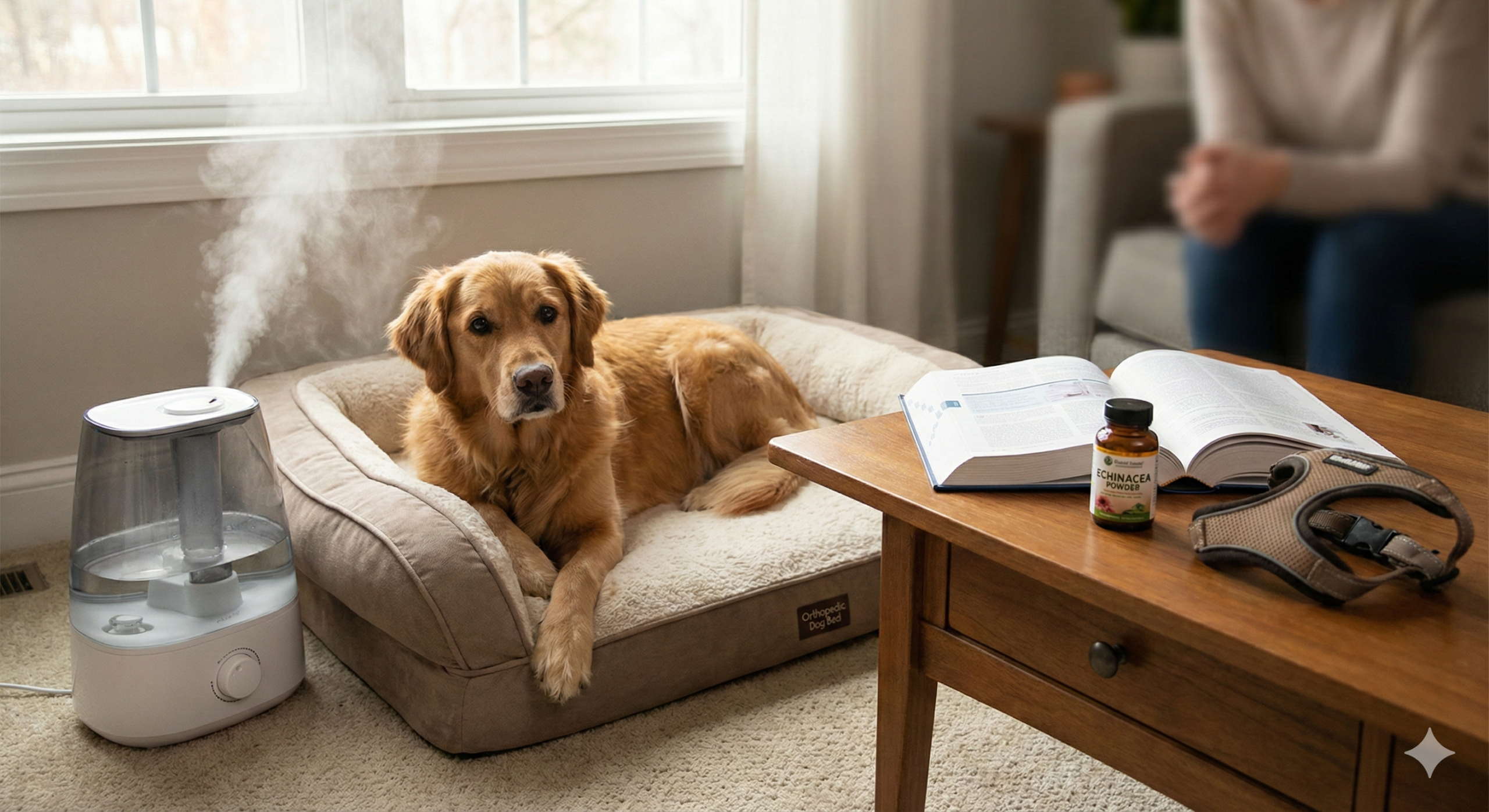
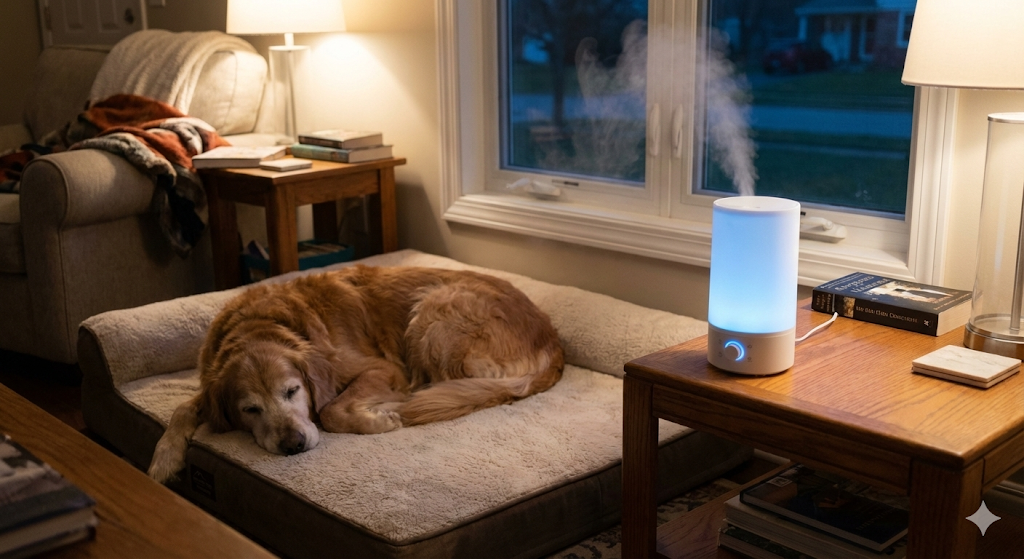
Dry air aggravates inflamed airways. For dogs with non-productive (dry) coughs or upper airway infections, increasing humidity can soothe the tracheal lining.
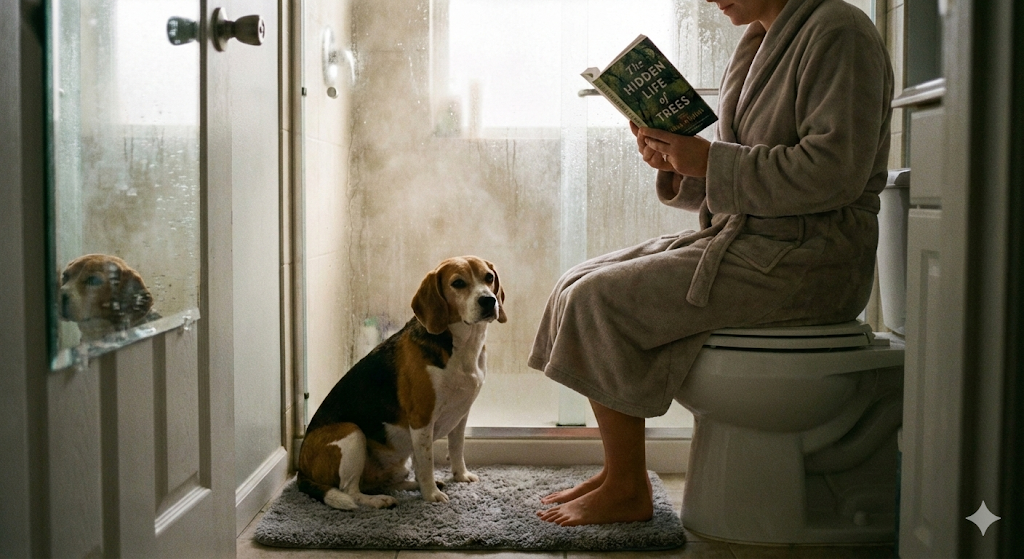
If your dog pulls on a leash, a neck collar applies direct pressure to the trachea. In small breeds or dogs with tracheal collapse, this mechanical irritation triggers immediate coughing spasms.
Dogs with chronic bronchitis are highly sensitive to airborne irritants. Owners often overlook that their own household habits contribute to the cough.

While not an instant fix, weight loss is arguably the most powerful long-term “remedy.” Excess fat compresses the chest wall and reduces lung compliance, making coughing fits more frequent and severe.
Unlike most herbs, Echinacea purpurea has specific veterinary clinical data supporting its use in upper respiratory infections.
🩺 Dr. Khan’s Clinical Corner
The Danger of Assumptions
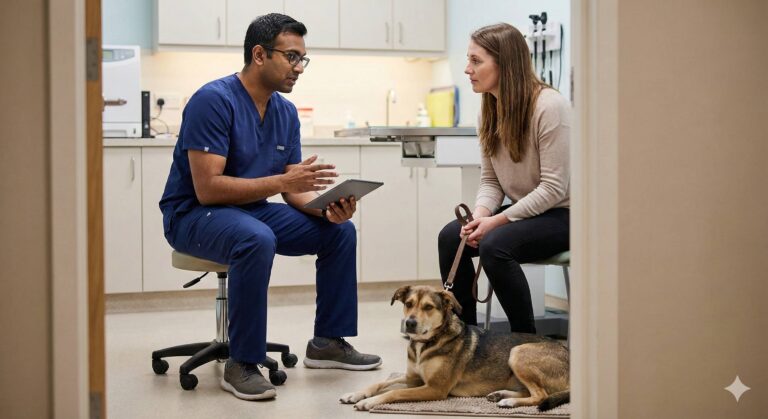
“An older small-breed dog came in for a ‘kennel cough booster’ because the owner was convinced the noisy episodes were from infectious cough. On exam, the dog had a loud left apical systolic murmur, mild tachypnea at rest, and a soft, moist cough that occurred when lying down at night.
Thoracic radiographs and echocardiography confirmed myxomatous mitral valve disease with early left-sided congestive heart failure, and the cough improved dramatically once cardiac medications and a light diuretic plan were started—no antibiotics, no cough suppressants, no OTC syrups. That case became my go-to reminder: any chronic cough, especially in a middle‑aged or older small dog, is a cardiac/respiratory case first, not a ‘just give something for the cough’ situation.”
Before applying home remedies for dog coughing, compare your dog’s signs to this safety table.
| Feature | Safe for Home Supportive Care | IMMEDIATE Vet Visit Required |
| Activity Level | Dog is eating, drinking, and playful. | Lethargic, refusing food, or hiding. |
| Gum Color | Pink and moist. | Pale, blue, grey, or brick red. |
| Breathing | Normal rate (15–30 breaths/min) when sleeping. | Rapid (>40 breaths/min), open-mouth breathing, or abdominal effort. |
| Cough Type | Occasional dry “honk” or hack. | Wet/moist sounds, coughing up pink foam, or non-stop hacking. |
| History | Exposure to other dogs (boarding/park). | Known heart murmur or pre-existing heart disease. |
The most dangerous misconception owners have about home remedies for dog coughing is that human over-the-counter (OTC) medications are safe and effective.
Do NOT use OTC Cough Syrups:
Dr. Khan notes: “The most common thing owners get wrong about coughing dogs is assuming they just need an over‑the‑counter cough syrup (often human products with opioids, dextromethorphan, or combination cold meds) instead of a work‑up.”
According to Clinical Reasoning in Small Animal Practice, suppressing a cough blindly can mask serious diagnoses like heart failure or pneumonia. If the lungs are full of fluid or pus, suppressing the cough prevents the dog from clearing this material, potentially worsening the infection.
While many home remedies for dog coughing are anecdotal, the 2003 Reichling study provides rare clinical data for botanicals.
Do not rely on home remedies for dog coughing if you observe these “Red Flag” signs. These indicate that oxygen delivery is compromised or the heart is failing:
See a veterinarian immediately if any of these occur.
While safe home remedies for dog coughing like steam therapy, harness use, and air quality control can provide comfort, they are supportive measures, not cures. The goal of home care is to soothe the airway without masking the signs of serious disease. Always verify that your dog is stable before attempting home management, and prioritize a veterinary exam to rule out cardiac issues.
1. Can I give my dog honey for a cough?
Small amounts of plain honey are generally safe for non-diabetic dogs and may soothe the throat temporarily. However, there is no robust clinical evidence that it treats the underlying causes of canine airway disease. It should not be relied upon as a primary treatment.
2. Is Benadryl effective for dog coughing?
Benadryl (diphenhydramine) is an antihistamine, not a cough suppressant. Unless the cough is strictly allergic in origin (which is rare compared to infectious or structural causes), it is usually ineffective for stopping a cough and may cause sedation.
3. How long should I wait before seeing a vet for a cough?
If the dog is bright, eating well, and the cough is mild, you can monitor for 24–48 hours using supportive home remedies for dog coughing. If the cough persists beyond a week, or if the dog seems sick/lethargic, see a vet.
4. Can dry air cause my dog to cough?
Yes. Dry air dries out the mucous membranes in the trachea, making them more sensitive to irritation. Using a humidifier is one of the simplest home remedies for dog coughing to reduce this environmental trigger.