Physical Address
304 North Cardinal St.
Dorchester Center, MA 02124
Physical Address
304 North Cardinal St.
Dorchester Center, MA 02124

By Dr. Asmat Ullah Khan | DVM | Last Reviewed: December 10, 2025
Medical Disclaimer: This content is for educational purposes only and does not constitute medical advice. Cardiac conditions in dogs are complex and life-threatening. Always consult your veterinarian before changing your dog’s diet or adding supplements.
Foods that support dog heart health generally include lean proteins like chicken and turkey, omega-3 rich fish like sardines, and grain-inclusive carbohydrates such as rice and oats. These ingredients, when part of a balanced diet, provide essential nutrients like taurine, L-carnitine, and antioxidants to maintain cardiac muscle strength and manage inflammation.
Heart disease in canines is prevalent, and nutrition plays a pivotal role in management. While medication manages the symptoms of failure, specific foods that support dog heart health provide the cellular fuel necessary for the heart to pump efficiently. Research in veterinary internal medicine indicates that maintaining a healthy body weight, controlling sodium intake, and ensuring adequate levels of amino acids are the pillars of cardiac nutrition.
Lean animal proteins are the foundation of a cardiac-supportive diet. Chicken and turkey provide high-quality amino acids that help maintain lean muscle mass, which is often lost in dogs with advanced heart failure (a condition known as cardiac cachexia). Unlike some “exotic” protein sources, poultry is well-studied and biologically available.

While high-fat cuts must be avoided to prevent pancreatitis and obesity, lean beef and pork included in complete commercial diets are generally considered safe and beneficial. These proteins naturally contain taurine and carnitine precursors.
Taurine is an amino acid strictly required for normal heart muscle contraction. While dogs can synthesize their own taurine (unlike cats), certain breeds and larger dogs may require dietary sources. Dark meat poultry and heart muscle meat are naturally high in taurine.
Read More about Home remedies for dog couhging
Carbohydrates are necessary to spare protein for muscle repair. White rice is highly digestible and low in sodium. It is frequently the carbohydrate of choice in foods that support dog heart health because it rarely causes gastrointestinal upset, which can be stressful for a heart patient.

Whole grains like oats and barley provide fiber and slow-release energy. This helps prevent blood sugar spikes and aids in weight management. Obesity significantly increases the workload on the heart, so high-fiber grains are useful for keeping patients lean.
Despite internet myths, corn and wheat are valuable energy sources in veterinary nutrition. They contain essential fatty acids and antioxidants. In the context of heart health, these grains have not been linked to the recent spikes in diet-associated heart disease.
Oily fish are potent natural sources of Eicosapentaenoic acid (EPA) and Docosahexaenoic acid (DHA). These specific omega-3 fatty acids are distinct from plant-based omega-3s (like flax) and are far more effective for cardiac support.
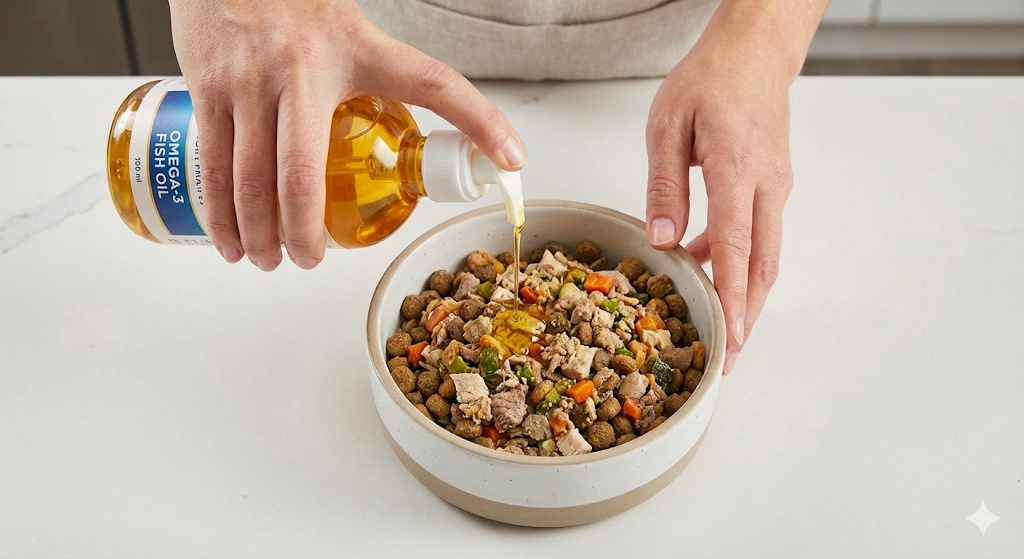
While whole fish is excellent, therapeutic levels of EPA and DHA often require concentrated supplementation. Veterinary-specific fish oil is one of the most critical additions to the list of foods that support dog heart health.
L-Carnitine is a nutrient that acts as a shuttle, moving fatty acids into the mitochondria of heart cells to be burned for energy. Red meats and dairy products are natural sources, but supplements are often needed for therapeutic effects.
MCTs are a type of fat derived from coconut or palm kernel oil that requires less energy to digest and utilize. For a failing heart that is energy-starved, MCTs can provide an alternative fuel source.
CoQ10 is a powerful antioxidant and a critical component of energy production within the heart. It is found in organ meats and oily fish, though therapeutic levels usually require supplementation.

Vitamin E works synergistically with other antioxidants to neutralize free radicals, which are produced in excess during heart failure.
Magnesium is an electrolyte essential for maintaining a normal heart rhythm. Deficiencies can lead to arrhythmias (irregular heartbeats).
Commercial dog treats are often loaded with salt (sodium), which is dangerous for heart patients as it causes fluid retention. Fresh vegetables like green beans, carrots, or broccoli are excellent alternatives.
The most effective foods that support dog heart health are often prescription diets. These are scientifically formulated to control sodium, provide adequate calories, and include therapeutic levels of taurine, carnitine, and omega-3s.
🩺 Dr. Khan’s Clinical Corner
“The Danger of the ‘Topper’ Trap”
In my practice, the most common mistake I see isn’t the brand of food owners buy, but how they modify it. I frequently treat patients where the owner is adding large amounts of “heart-healthy” toppers—like boiled chicken, eggs, or coconut oil—on top of a balanced kibble.
While these ingredients are good in isolation, adding them in large quantities dilutes the vitamins and minerals in the main diet. If your toppers make up more than 10% of the daily calories, you are accidentally creating a nutritional deficiency. For my cardiac patients, I calculate the exact amount of extras allowed to ensure we don’t disrupt the sodium or phosphorus balance that the heart relies on.
| Nutrient / Food | Primary Heart Benefit | Source |
| Taurine | Supports heart muscle contraction | Poultry dark meat, heart, supplements |
| Omega-3 (EPA/DHA) | Anti-inflammatory, anti-arrhythmic | Sardines, Salmon Oil |
| L-Carnitine | Mitochondrial energy production | Red meat, dairy, supplements |
| Sodium (Restricted) | Reduces fluid retention/blood pressure | Avoid salty treats; use fresh veggies |
| Magnesium | Rhythm stabilization | Balanced commercial diets |
| Coenzyme Q10 | Antioxidant & energy support | Supplements, organ meats |
The link between diet and heart health is currently under intense scrutiny.
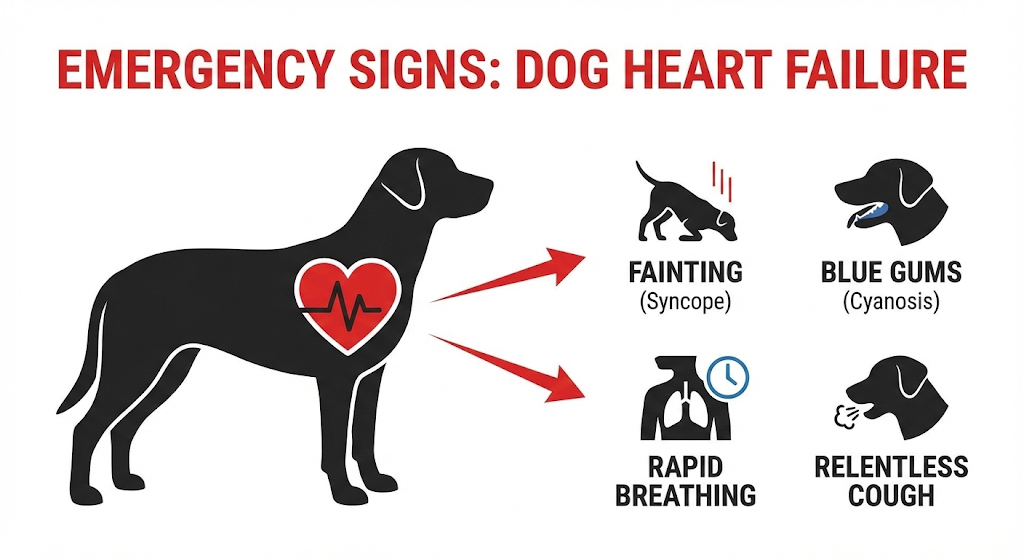
If your dog has been diagnosed with a murmur or heart disease, you must monitor for signs of congestive heart failure (CHF). Go to the ER immediately if you see:
Selecting the right nutrition is a powerful tool in managing cardiac disease. By focusing on balanced proteins, appropriate grains, and targeted supplements like fish oil, you can provide foods that support dog heart health and potentially improve your dog’s quality of life. Always rely on peer-reviewed science and your veterinarian’s guidance rather than marketing trends.
1. Can grain-free food cause heart problems in dogs?
Yes, there is a documented link between certain grain-free diets (specifically those high in legumes like peas and lentils) and Dilated Cardiomyopathy (DCM). Veterinary cardiologists currently recommend grain-inclusive diets for most dogs unless there is a specific allergy diagnosed by a vet.
2. Are eggs good for dogs with heart disease?
Eggs are a high-quality protein and contain sulfur amino acids, but they are also high in sodium and cholesterol compared to other proteins. They can be included in moderation, but should not be the primary protein source for a dog with advanced heart failure without veterinary calculation.
3. How much sodium is too much for a dog with heart disease?
Sodium restriction depends on the stage of heart disease. In early stages (ACVIM Stage B), mild restriction is sufficient. In advanced heart failure (Stage C/D), strict restriction is required. Generally, avoid any treats with added salt and human table scraps.
4. What is the best vegetable for dogs with heart failure?
Steamed green beans, carrots, and cucumber slices are excellent choices. They are low in calories and virtually sodium-free, making them safe “treats” that do not interfere with prescribed foods that support dog heart health.